Common Construction Mistakes and How to Avoid Them
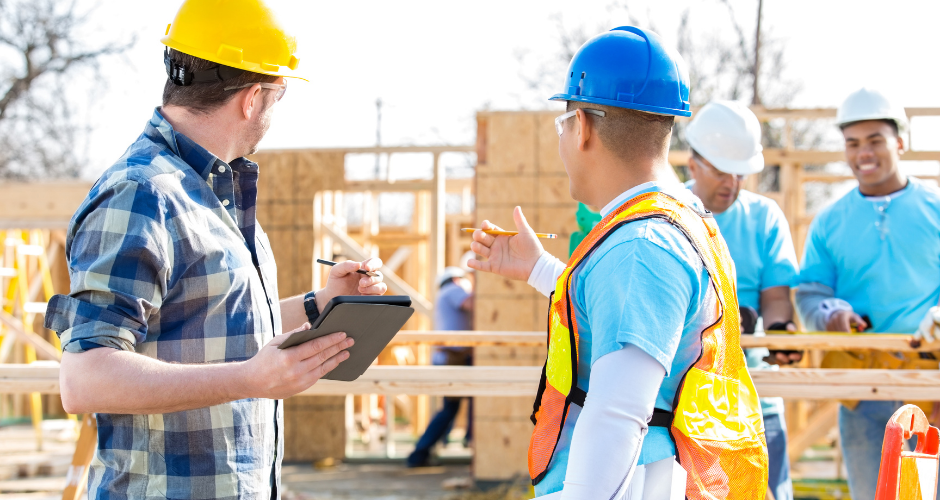
Construction projects-whether residential homes, commercial buildings, or renovations-require careful planning, coordination, and execution. Even small mistakes can lead to costly delays, safety hazards, and structural issues that affect the long-term durability of a building. Many construction errors are preventable, yet they continue to happen due to poor planning, miscommunication, budget pressure, or lack of expertise.
Understanding the most common construction mistakes and learning how to avoid them can save time, money, and stress. This detailed guide explores the key errors made in construction projects and provides practical solutions to prevent them.
1. Poor Project Planning
The Mistake
One of the biggest construction mistakes is starting work without a clear and detailed plan. Some projects move forward with incomplete drawings, vague timelines, or unclear scope definitions. When planning is rushed, important details are overlooked.
This often results in:
- Cost overruns
- Material shortages
- Design changes mid-project
- Delays and disputes
How to Avoid It
- Develop a comprehensive project plan before breaking ground.
- Ensure architectural drawings and engineering plans are finalized.
- Create a realistic timeline with milestone targets.
- Conduct feasibility studies and site analysis.
- Involve key stakeholders early in the planning phase.
A well-planned project reduces uncertainty and increases efficiency.
Pre-Construction Checklist: What to Know Before You Build
2. Inaccurate Budget Estimation
The Mistake
Underestimating costs is a common problem in construction. Contractors or project owners may fail to account for:
- Labor cost fluctuations
- Material price increases
- Permit fees
- Unexpected site conditions
- Contingency funds
When budgets are unrealistic, projects face financial strain or incomplete work.
How to Avoid It
- Prepare a detailed cost breakdown before starting.
- Include at least 10–15% contingency for unforeseen expenses.
- Get multiple supplier quotes.
- Use professional cost estimators when necessary.
- Review historical data from similar projects.
Accurate budgeting ensures financial stability throughout the project.
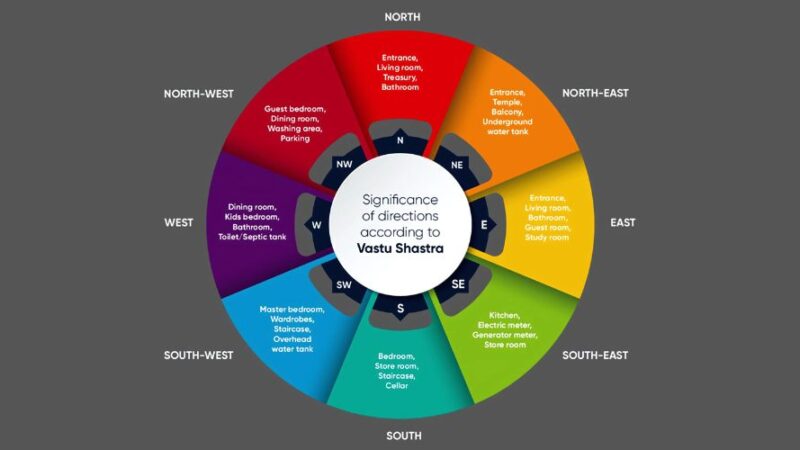
Vastu Tips for New Home Construction
3. Ignoring Soil Testing and Site Evaluation
The Mistake
Skipping proper site evaluation or soil testing can lead to serious structural problems. Soil type directly affects foundation stability.
Potential consequences include:
- Foundation cracks
- Uneven settling
- Water drainage issues
- Structural failure
How to Avoid It
- Conduct professional soil testing before foundation work.
- Analyze drainage patterns and groundwater levels.
- Adjust foundation design based on soil condition.
- Consult geotechnical engineers for complex sites.
Investing in site analysis prevents expensive structural repairs later.
4. Poor Communication Among Stakeholders
The Mistake
Construction involves multiple parties: contractors, subcontractors, architects, engineers, suppliers, and clients. Miscommunication can cause:
- Design errors
- Delays
- Rework
- Disputes
Even small misunderstandings can snowball into major problems.
How to Avoid It
- Hold regular progress meetings.
- Use project management software to track updates.
- Document all decisions in writing.
- Clarify roles and responsibilities from the beginning.
- Encourage transparent communication channels.
Strong communication improves collaboration and reduces costly mistakes.
5. Hiring Inexperienced or Unqualified Contractors
The Mistake
Choosing contractors based solely on low bids often results in poor workmanship. Lack of skill or experience can lead to:
- Structural weaknesses
- Code violations
- Safety risks
- Delays
Cheap labor can become expensive in the long run.
How to Avoid It
- Verify licenses and certifications.
- Check previous project portfolios.
- Ask for references from past clients.
- Review safety records and compliance history.
- Avoid making decisions based only on price.
Quality workmanship ensures durability and compliance with building standards.
6. Using Low-Quality Materials
The Mistake
To cut costs, some projects use substandard materials. While this may reduce upfront expenses, it increases maintenance costs and reduces building lifespan.
Low-quality materials may cause:
- Premature wear and tear
- Structural damage
- Poor insulation
- Safety hazards
How to Avoid It
- Source materials from reputable suppliers.
- Verify material certifications and quality standards.
- Balance cost savings with durability considerations.
- Avoid compromising on structural components.
Investing in quality materials protects the integrity of the building.
7. Neglecting Safety Standards
The Mistake
Safety is sometimes overlooked to save time or money. Failure to follow safety regulations can result in:
- Workplace injuries
- Legal penalties
- Project shutdowns
- Damage to company reputation
Construction sites are inherently risky environments.
How to Avoid It
- Implement strict safety protocols.
- Provide regular safety training for workers.
- Ensure proper use of protective equipment (PPE).
- Conduct regular safety inspections.
- Follow national and local safety regulations.
Prioritizing safety protects workers and reduces liability.
8. Inadequate Supervision and Quality Control
The Mistake
Without proper supervision, mistakes may go unnoticed until they become major issues. Poor oversight can result in:
- Misaligned structures
- Improper installations
- Code violations
- Costly rework
How to Avoid It
- Assign experienced site supervisors.
- Conduct routine inspections during each construction phase.
- Implement quality control checklists.
- Address issues immediately when detected.
Continuous monitoring ensures consistent quality throughout the project.
9. Skipping Building Permits and Inspections
The Mistake
Some projects attempt to bypass permits or required inspections to save time. This can lead to:
- Legal consequences
- Fines
- Forced demolition
- Difficulty selling the property
Compliance is not optional.
How to Avoid It
- Obtain all required permits before construction begins.
- Schedule inspections at required milestones.
- Stay updated on local building codes.
- Work with professionals familiar with regulations.
Legal compliance protects both the builder and property owner.
10. Unrealistic Timelines
The Mistake
Setting overly aggressive deadlines puts pressure on workers and increases the likelihood of mistakes. Rushed construction can compromise quality and safety.
How to Avoid It
- Develop realistic timelines based on project scope.
- Factor in weather conditions.
- Allow buffer time for unexpected delays.
- Avoid sacrificing quality for speed.
Balanced scheduling ensures steady progress without compromising standards.
11. Poor Drainage Planning
The Mistake
Improper drainage systems can cause water accumulation, leading to foundation damage and mold growth.
How to Avoid It
- Design proper slope and grading systems.
- Install adequate drainage channels.
- Ensure waterproofing measures are applied.
- Regularly inspect drainage during construction.
Water management is essential for long-term structural health.
12. Lack of Future Planning
The Mistake
Failing to consider future expansion, maintenance access, or energy efficiency can limit a building’s functionality.
How to Avoid It
- Plan for potential future upgrades.
- Include energy-efficient systems.
- Ensure easy access to plumbing and electrical systems.
- Design flexible spaces when possible.
Forward-thinking design increases long-term value.
Final Thoughts
Construction projects are complex undertakings that require coordination, expertise, and careful management. While mistakes are common, most can be prevented through proper planning, clear communication, skilled labor, and strict adherence to safety and quality standards.
The key to successful construction lies in preparation, professionalism, and attention to detail. By understanding common pitfalls and implementing preventative strategies, contractors and project owners can ensure smoother operations, cost efficiency, and durable structures.
Avoiding these common construction mistakes not only protects your investment but also builds a reputation for reliability and excellence in the industry.