10 Hidden Places in Your Home That Collect the Most Dust

Dust is one of those household problems that never seems to disappear completely. You can sweep the floors, wipe the furniture, vacuum the carpets, and still notice a thin layer of dust returning a few days later. The reason is simple: not all dust collects in places that are easy to see. Some of the biggest dust-collecting areas are hidden behind furniture, above eye level, or tucked away in corners that rarely receive attention during regular cleaning.
Dust is made up of various tiny particles, including fabric fibers, dead skin cells, pollen, soil, and other airborne materials. These particles travel through the air and eventually settle on surfaces throughout your home. While visible surfaces usually get cleaned regularly, hidden areas can become storage spots for dust over time.
Ignoring these places can make your home feel dusty even after a thorough cleaning session. It may also affect indoor air quality, especially when accumulated dust gets disturbed and becomes airborne again.
The good news is that you do not need expensive equipment or professional cleaning services to tackle most of these areas. Knowing where dust hides and how to remove it properly can make your cleaning routine much more effective.
Let’s explore 10 commonly overlooked places in your home that collect more dust than you might expect.
1. Behind and Under Large Furniture
Large furniture pieces such as sofas, beds, wardrobes, and cabinets create perfect hiding spots for dust. Since these areas are not visible during everyday activities, they are often ignored during routine cleaning.
Dust, hair, crumbs, and small debris gradually accumulate underneath furniture. The space behind sofas and cabinets can also collect dust carried by air currents.
How to clean these areas:
- Move lightweight furniture occasionally to access hidden spaces.
- Use a vacuum cleaner with a narrow attachment to reach underneath sofas and beds.
- Clean behind wardrobes and cabinets whenever possible.
- Use a microfiber mop with an adjustable handle for hard-to-reach spaces.
Try including these areas in your monthly deep-cleaning routine rather than waiting until dust becomes visibly noticeable.
2. Ceiling Fans and Light Fixtures
Ceiling fans are among the most overlooked dust collectors in many homes. Their blades continuously move through the air, allowing dust particles to settle on their surfaces. Over time, a thick layer of dust can develop, particularly on the upper side of fan blades.
Light fixtures, lampshades, chandeliers, and decorative ceiling lights can also collect dust. Because these objects are positioned above eye level, homeowners may not notice the buildup until it becomes quite heavy.
How to clean these areas:
- Switch off the fan and allow the blades to stop completely before cleaning.
- Use a slightly damp microfiber cloth to wipe each blade.
- Place an old pillowcase over a fan blade and gently pull it back to collect dust without spreading it.
- Use a suitable microfiber duster for lampshades and light fixtures.
- Always ensure the fixture is switched off and cool before cleaning.
Cleaning ceiling fans and light fixtures every two to four weeks can help prevent excessive dust accumulation.
3. Air Vents, AC Filters, and Return Grilles
Air vents and air-conditioning filters are important parts of your home’s ventilation system, but they are frequently forgotten during household cleaning.
As air circulates through your home, dust, lint, pollen, and other airborne particles can collect around vents and filters. When filters become clogged, airflow may be restricted, and the ventilation system may circulate less clean air.
Return-air grilles can also develop visible dust buildup around their openings.
How to clean these areas:
- Turn off the HVAC or air-conditioning system before cleaning.
- Vacuum dust from the exterior of air vents using a brush attachment.
- Remove and wash reusable filters according to the manufacturer’s instructions.
- Replace disposable filters as recommended by the manufacturer.
- Check return-air grilles regularly for accumulated dirt.
Remember that different air-conditioning systems have different filter requirements, so always follow the equipment manufacturer’s maintenance instructions.
4. Window Blinds and Curtain Rods
Curtains and window blinds are often overlooked because dust accumulation happens gradually. Fabric curtains can trap airborne particles within their fibers, while horizontal blinds provide multiple flat surfaces where dust can settle.
Curtain rods, brackets, and the top edges of window frames are also common places for dust to collect.
How to clean these areas:
- Vacuum fabric curtains using an upholstery attachment.
- Wash curtains according to their care labels.
- Wipe blinds with a microfiber cloth or a suitable blind-cleaning tool.
- Clean curtain rods and brackets with a soft duster.
- Pay attention to the upper corners of window frames.
Cleaning window treatments regularly can prevent dust from spreading back into the room whenever curtains are opened or blinds are adjusted.
Why Dirty Windows Affect More Than Just Appearance
5. Underneath and Behind Kitchen Appliances
The kitchen may appear clean on the surface, but hidden spaces around appliances can contain surprising amounts of dust and debris.
Refrigerators, ovens, dishwashers, and washing machines often have gaps underneath or behind them. Dust combines with grease, food particles, and moisture in these locations, making cleaning more difficult if the buildup is ignored.
Refrigerator condenser areas may also collect dust, depending on the appliance design.
How to clean these areas:
- Pull out movable appliances carefully, following the manufacturer’s safety instructions.
- Vacuum accessible spaces underneath and behind appliances.
- Wipe exterior surfaces and surrounding cabinets.
- Clean accessible refrigerator coils only as instructed in the appliance manual.
- Avoid spraying water or cleaning solutions directly into electrical components.
Kitchen appliances should be included in your periodic deep-cleaning schedule to prevent dust and grime from accumulating unnoticed.
Top 10 Kitchen Cleaning Products You Should Be Using
6. Tops of Cabinets, Wardrobes, and Shelves
When cleaning a room, most people focus on surfaces at eye level. However, the tops of wardrobes, kitchen cabinets, bookshelves, and storage units can remain untouched for weeks or even months.
These horizontal surfaces provide plenty of space for dust to settle. If you store decorative objects, boxes, or unused items on top of cabinets, they can make cleaning even more difficult.
How to clean these areas:
- Use a long-handled microfiber duster to reach elevated surfaces.
- Remove stored items and clean underneath them.
- Wipe surfaces with a suitable damp cloth after dusting.
- Keep unnecessary decorative items to a minimum.
- Use a stable step ladder when necessary, rather than climbing onto furniture.
A quick monthly check of elevated surfaces can prevent heavy dust buildup.
7. Mattress Seams, Bed Frames, and Headboards
Your bed may look clean because the bedsheets are changed regularly, but several nearby areas can collect dust.
Mattress seams, fabric headboards, bed frames, and the spaces between the mattress and frame can trap dust, lint, and hair. Upholstered headboards are particularly likely to hold particles within their fabric.
Dust can also accumulate under the bed, especially when storage boxes or other belongings are kept there.
How to clean these areas:
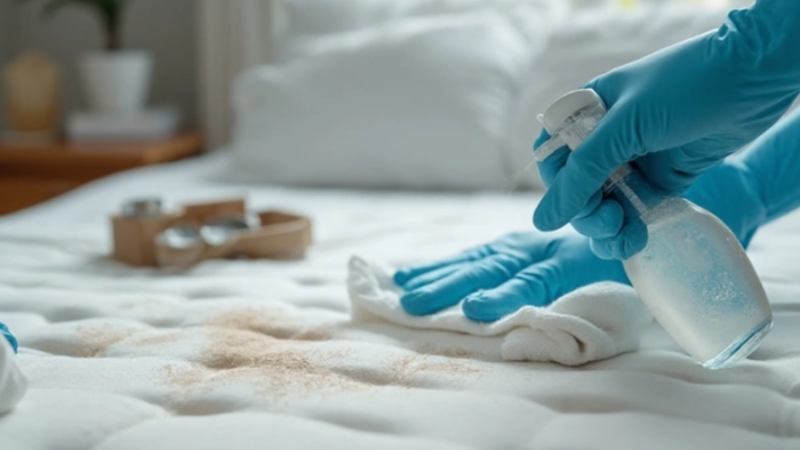
- Vacuum mattress seams with an upholstery attachment.
- Wipe wooden or metal bed frames with an appropriate cleaning cloth.
- Vacuum upholstered headboards gently.
- Clean underneath the bed and remove unnecessary storage items.
- Wash bedding regularly according to its care instructions.
For better bedroom cleanliness, pay attention to the entire bed area instead of focusing only on sheets and pillowcases.
8. Electronic Devices and Their Surrounding Areas
Televisions, computers, gaming consoles, speakers, routers, and other electronic devices attract and collect dust.
Some electronics contain cooling fans or ventilation openings that draw in air, allowing dust to settle around internal and external components. The spaces behind televisions and computer desks can also become neglected dust traps.
Accumulated dust around ventilation openings may interfere with proper airflow and contribute to overheating.
How to clean these areas:
- Switch off and unplug devices before cleaning, where appropriate.
- Use a dry microfiber cloth to wipe screens and external surfaces.
- Clean ventilation openings gently using an appropriate soft brush.
- Use compressed air only when permitted by the manufacturer’s instructions.
- Avoid spraying cleaning products directly onto electronic equipment.
Make electronic dusting part of your weekly cleaning routine, particularly for frequently used computers and entertainment systems.
9. Door Frames, Baseboards, and Wall Corners
Baseboards and door frames are easy to overlook because they rarely attract attention. However, dust can settle along their edges, corners, and decorative grooves.
Wall corners, especially near ceilings and behind doors, may also collect dust and cobwebs. These areas can make an otherwise clean room appear neglected.
How to clean these areas:
- Use a microfiber duster to remove loose dust from door frames.
- Wipe baseboards with a damp microfiber cloth.
- Use a soft brush attachment to clean decorative grooves.
- Remove cobwebs from ceiling corners with an extendable duster.
- Pay attention to areas behind doors and around furniture.
Cleaning these surfaces every few weeks can give rooms a noticeably fresher appearance.
10. Storage Rooms, Closets, and Shoe Cabinets
Closets and storage areas are often closed for long periods, which means dust can accumulate without being noticed.
Clothes, shoes, bags, cardboard boxes, blankets, and other stored belongings can hold dust and fibers. Shoe cabinets may also collect outdoor dirt and debris that gets carried inside.
Overcrowded storage spaces make the problem worse because they limit airflow and make cleaning difficult.
How to clean these areas:
- Remove unused items and organize belongings.
- Vacuum closet floors, corners, and shelves.
- Wipe storage cabinets with a microfiber cloth.
- Wash or clean stored fabrics before putting them away for long periods.
- Store seasonal clothes in clean, suitable containers.
- Clean shoe racks regularly and remove outdoor dirt.
A well-organized storage space is easier to maintain and less likely to become a neglected dust collection area.
Why Is It Important to Clean Hidden Dust-Collecting Areas?
Dust may seem like a minor household inconvenience, but allowing it to accumulate in hidden places can create several problems.
1. Better indoor air quality: Dust particles can become airborne when disturbed by movement, fans, or cleaning activities. Regular dust removal helps reduce the amount of settled dust available to circulate indoors.
2. A cleaner-looking home: Dusty ceiling fans, cabinet tops, window blinds, and baseboards can make a room look untidy even when the floors and furniture are clean.
3. Improved appliance maintenance: Dust around ventilation openings, refrigerator components, and electronic equipment can interfere with airflow. Keeping these areas clean supports proper equipment maintenance.
4. Reduced allergen buildup: Household dust can contain pollen, pet dander, dust mite allergens, and other particles. Regular cleaning can help reduce their accumulation, although it cannot eliminate all indoor allergens.
5. Less time spent on deep cleaning: Removing small amounts of dust regularly is usually easier than tackling months of accumulated dirt in neglected areas.
How to Prevent Dust from Accumulating Around Your Home
Cleaning hidden areas is important, but developing a few preventive habits can make the job easier in the long run.
Here are some practical ways to reduce household dust:
- Use microfiber cleaning cloths: They help capture dust instead of simply pushing it around.
- Vacuum regularly: Choose a vacuum with effective filtration and clean or replace its filters as recommended.
- Keep windows closed during dusty conditions: This can reduce the amount of outdoor dust entering your home.
- Wash bedding frequently: Regularly cleaning sheets, pillowcases, and blankets helps manage dust and allergens in bedrooms.
- Declutter storage spaces: Fewer unnecessary items mean fewer surfaces where dust can collect.
- Maintain ventilation filters: Clean or replace filters according to the manufacturer’s recommendations.
- Clean from top to bottom: Start with ceiling fans, shelves, and upper surfaces before moving to furniture and floors.
- Control indoor humidity: Keep humidity at a comfortable level and address leaks or dampness promptly.
These simple habits can make your regular cleaning routine more effective without requiring hours of extra work.
Frequently Asked Questions (FAQs)
1. What are the most common places where dust collects in a home?
Dust commonly collects behind furniture, underneath beds, on ceiling fans, air vents, window blinds, cabinet tops, electronic devices, baseboards, and inside closets.
2. How often should you dust your home?
Frequently used rooms and visible surfaces generally benefit from dusting at least once or twice a week. Less frequently used areas, such as cabinet tops and storage spaces, can be cleaned every few weeks, depending on how quickly dust accumulates.
3. Why does my house get dusty so quickly?
Dust enters through open doors and windows and can also come from clothing fibers, bedding, carpets, pets, and other indoor materials. Poor filtration, outdoor conditions, and heavy indoor activity may contribute to faster dust accumulation.
4. What is the best way to remove dust without spreading it?
Use a clean, slightly damp microfiber cloth or a suitable microfiber duster. These tools capture dust more effectively than dry sweeping or using an ordinary feather duster, which may push particles back into the air.
5. Does vacuuming help reduce household dust?
Yes. Vacuuming carpets, rugs, upholstery, and floors helps remove dust, hair, and debris. A vacuum with effective filtration can also help limit the release of fine particles back into the room.
6. Can ceiling fans make a room dusty?
Ceiling fans do not create dust, but they can move settled dust around when operating. Dirty fan blades may also release accumulated particles into the air as the fan rotates.
7. Should you dust or vacuum first?
Dust elevated surfaces and furniture first, then vacuum or mop the floor. This allows particles that fall during dusting to be removed during the final floor-cleaning step.
Final Thoughts
A clean home is not just about maintaining spotless floors and polished furniture. Many of the places that collect the most dust are hidden in corners, behind appliances, above cabinets, and around everyday household objects.
By giving these overlooked areas regular attention, you can create a more comfortable and cleaner living environment. You do not need to clean every hidden corner every day. Instead, divide the work across your weekly and monthly cleaning schedule.
The next time you clean your home, look beyond the obvious surfaces. You might be surprised by how much dust is hiding in places you rarely think about!