Industrial Power Station Solutions for Temporary Job Site Power
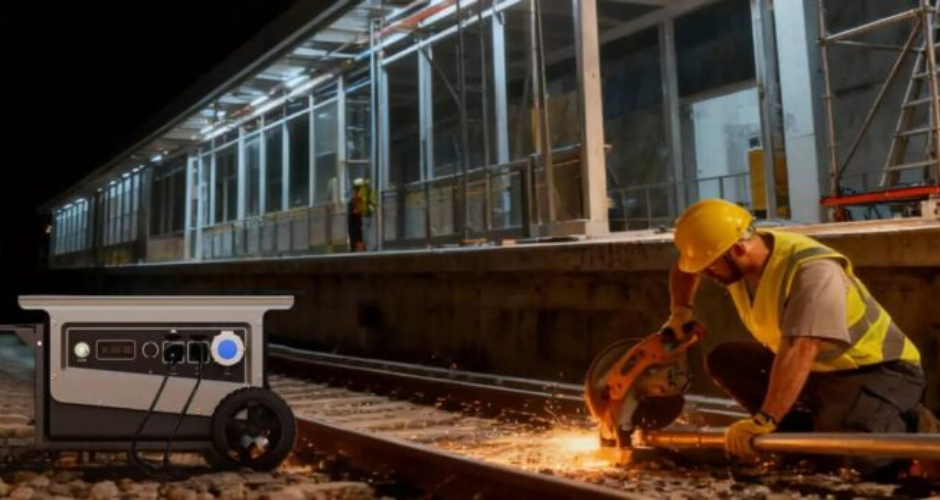
Power is needed to be reliable and flexible on a temporary jobsite, particularly in construction, infrastructure, events, and remote jobs. There has been a long history of diesel generators use, but today, there are also smarter ways to power an industrial power station. They are more efficient, quieter and cleaner, and are ideal for challenging tasks.
An industrial power station is a system that supplies a steady supply of electricity to the tools, lighting systems, machines and site offices without using fixed power connections. Such systems find particular application in areas where there is restricted or no power access.
Why Temporary Job Sites Need Reliable Power
The supply of electricity is one of the most critical factors in construction and industrial projects. In the absence of a reliable power source, productivity can take a hit. Supporting temporary power solutions can aid in:
- Maintain heavy machinery in good condition.
- Acknowledging, explaining, and supporting lighting for night workers
- Install and maintain power safety equipment and monitoring systems
- Operate office containers, computers and communication devices.
- Ensure uninterrupted workflow
A reliable power supply directly impacts efficiency, safety, and project schedules.
Key Benefits of Industrial Power Station Solutions
1. Flexible Deployment
Portability is the most important design feature of industrial power stations. They can be easily transported between sites, making them ideal for short-term projects or multi-location operations.
2. Fair and reasonable energy pricing
Modern systems are designed to maintain a stable voltage level and thereby safeguard sensitive equipment against voltage fluctuations.
3. Lower Noise Levels
Many industrial power stations have a much lower noise level than traditional generators. This is especially vital on urban construction sites or in close proximity to residential areas.
4. Reduced Maintenance Requirements
Compared to other alternatives such as fuel-based solutions, advanced battery solutions have low maintenance requirements, which helps to minimize downtime and operational costs.
5. Environmentally Friendly Operation
There are lots of industrial power plant systems which are engineered to lower emissions. This makes them ideal for businesses looking to minimise their footprint on the environment.
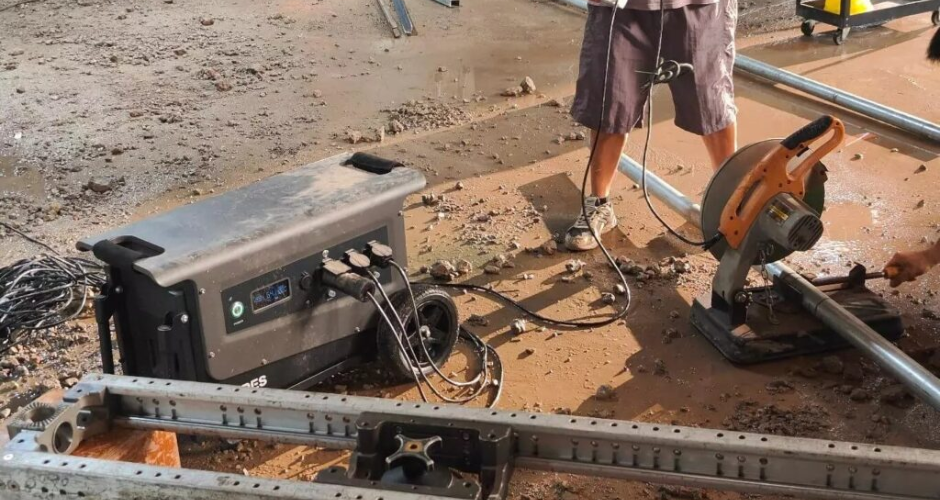
Applications on Temporary Job Sites
There are several power station solutions which can be applied in industrial applications, such as:
- Construction sites
- Construction of roads and bridges.
- Mining operations
- Outdoor events and exhibitions.
- Emergency response sites
- Temporary office setups
- Remote engineering projects
They can be used for small and large-scale energy consumption.
Waterproof and Durable Design
The conditions at job sites are often difficult, including dust, rain and extreme temperatures. There are some advanced models of industrial power stations which are constructed with waterproof enclosures and durable materials so that they are capable of functioning in challenging environments.
Key Advantages and Business Applications
Industrial power stations have two uses – construction and the use in other business areas. They provide back-up and temporary power to commercial operations.
Businesses benefit from:
- Use alternative sources of power to reduce disruptions during power outages.
- Emergency power support
- Electricity, gas, fuel oil, LPG etc for use outside.
- Less dependence on fuel generated power systems
- Improved operational efficiency
Industrial Power Stations enhance efficiency in a number of ways.There are several ways in which Industrial Power Stations improve efficiency.
How Industrial Power Stations Improve Efficiency
- Quick and easy installation compared to permanent electrical installation
- Immediate power availability
- Less disruption due to power outages
- Better safety by more stable energy provision.More stable energy provision for improved safety.
- Reduce operating noise and emissions
These benefits make industrial power stations a good investment for businesses that have a temporary project to work on.
Choosing the Right Solution for Your Site
When choosing an industrial power station, take into account:
- Power capacity requirements
- Portability and size
- Weather resistance features
- The battery performance and charging time are also evaluated.
The ability to work with site equipment.The ability to work with site equipment is compatible.
Safety certifications
The system should be tailored to the specific requirements of a particular project, ensuring maximum efficiency and cost-effectiveness.
Conclusion
Temporary job sites are changing the way power is generated and consumed with industrial power station solutions. They offer a versatile option with consistent performance and advanced safety mechanisms, making them an attractive alternative to conventional generators. They can be used in various applications, including construction sites, industrial facilities, and emergency response situations, to improve efficiency, minimize noise pollution, and promote sustainable energy consumption.
Proper investment in the advancement of the industrial power solution can help businesses to maintain their productivity while keeping the power supply safe and steady at a temporary worksite.
Frequently Asked Questions
1. What is an industrial power station?
An industrial power station is a mobile or modular power generation unit that is used during construction projects, for industry facilities, or for temporary jobs. Supplies power for lighting, equipment, power tools and site offices.
2. Why is it that industrial power stations are superior for temporary job sites?
They are deployed flexibly, produce a steady supply of power, are quieter and require less maintenance than conventional fuel generators. They are good for short-term projects and away from home.
3. Can industrial power stations serve to replace diesel generators?
In many cases, yes. Modern systems can be used as an alternative which is cleaner and quieter. But, considering the scale of a project and power needs.
Related Articles: