Why Your Bathroom Still Smells After Cleaning
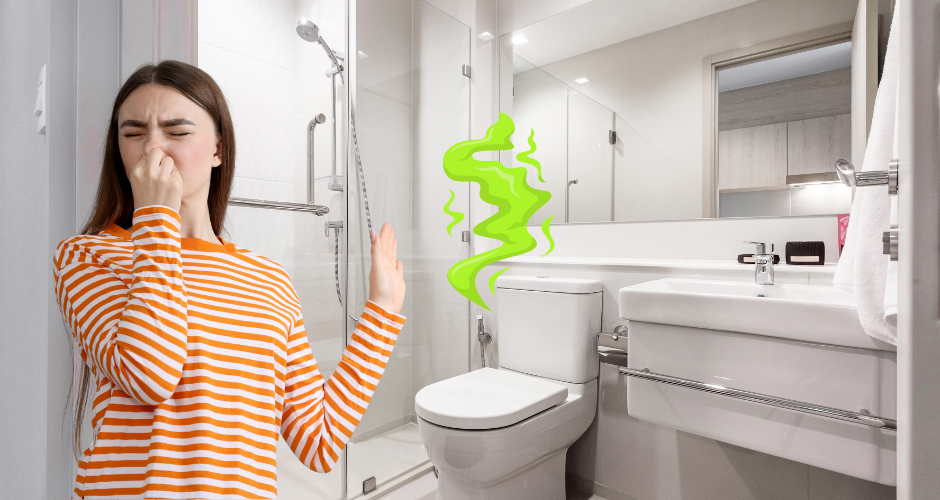
You scrub the sink, disinfect the toilet, mop the floor, empty the trash, and even spray air freshener, yet somehow your bathroom still smells unpleasant. It can be frustrating when a room that looks clean doesn’t smell fresh. Many people assume a lingering bathroom odor means the space simply needs deeper cleaning, but in many cases, the source of the smell has little to do with visible dirt.
Persistent bathroom odors often come from hidden moisture, plumbing issues, trapped bacteria, mold growth, or overlooked areas that regular cleaning routines miss. While surface cleaning can remove grime and leave things looking spotless, smells often originate beneath, behind, or inside places you may not think to check.
The good news is that once you understand what causes these lingering odors, they are usually fixable.
If you have ever wondered why your bathroom still smells after cleaning, here is a fully explained guide to the most common reasons and how to eliminate them.
Hidden Drain Buildup Can Cause Persistent Odors
One of the most common reasons a bathroom smells even after cleaning is the buildup inside the drains.
While you may clean your sink, shower, or tub surfaces regularly, drains often collect soap scum, hair, toothpaste residue, skin cells, and organic matter. Over time, that buildup can create unpleasant odors as bacteria grow inside the pipes.
Even if the drain looks clean from above, odors can develop deeper inside where regular scrubbing does not reach.
Bathroom sink drains can develop a sour or musty smell.
Shower drains may develop mildew-like odors.
Floor drains may release sewer-like smells.
These odors can linger in the room, no matter how much you clean visible surfaces.
How to Fix It
Clean drains regularly using:
- Baking soda and vinegar flushes
- Enzyme drain cleaners
- Hot water flushes
- Drain brushes for removing buildup
In stubborn cases, professional drain cleaning may be necessary.
Keeping drains clean often solves odor problems surprisingly quickly.
Dry P-Traps May Be Letting Sewer Gas In
A less obvious cause of bathroom smells is a dry P-trap.
The P-trap is the curved pipe under sinks and connected to drains. It holds water that acts as a barrier, preventing sewer gases from entering your home.
When a sink, shower, or floor drain is rarely used, water in the trap can evaporate.
Once that happens, unpleasant sewer odors may drift into the bathroom.
This is common in:
- Guest bathrooms
- Unused showers
- Basement bathrooms
- Floor drains
The smell is often mistaken for poor cleaning, when it is actually a plumbing issue.
How to Fix It
Run water in infrequently used fixtures regularly.
Pour water into unused drains every few weeks.
If odors continue, have a plumber inspect the trap or venting.
Sometimes the issue is simple, but very easy to overlook.
Mold and Mildew May Be Hiding
Bathrooms naturally collect moisture.
Steam from showers.
Wet towels.
Condensation.
Leaks.
All of this creates conditions where mold and mildew thrive.
Even if visible surfaces look clean, hidden mold can create persistent musty odors.
Common hidden mold locations include:
- Behind the toilet
- Under sinks
- Around tub panels
- Inside caulking
- Behind drywall
- Shower grout
- Exhaust fan covers
- Beneath bath mats
Often, people clean around mold rather than removing it.
The odor remains.
Signs Mold May Be the Problem
Watch for:
- Musty smell
- Black spots in grout
- Peeling paint
- Damp walls
- Persistent humidity
- Water stains
How to Fix It
Clean affected areas with mold-removal products.
Replace moldy caulk or damaged grout.
Improve ventilation.
Repair leaks.
For severe mold problems, professional remediation may be necessary.
If your bathroom smells damp or earthy, mold may be the culprit.
Dirty Toilet Areas Can Hold Hidden Odors
Even well-cleaned toilets can hide odor sources.
People often sanitize the bowl and seat but miss the surrounding areas where odors collect.
Common overlooked spots include:
- Around the toilet base
- Behind the toilet tank
- Toilet hinges
- Under-seat hardware
- Floor around the toilet bolts
- The wall behind the toilet
Urine splashes, moisture, and bacteria can accumulate in these areas.
Even a small buildup can cause a lingering odor.
The Toilet Wax Ring Could Be Failing
Sometimes the issue is not cleaning at all.
A damaged toilet wax ring can allow sewer odors to escape around the toilet base.
Signs may include:
- Odor near the toilet
- Water around the base
- Slight rocking toilet
This often requires plumbing repair.
Grout and Tile Can Trap Odors
Tile floors and shower walls may look clean, while grout absorbs moisture, soap residue, and bacteria.
Dirty grout can hold smells surprisingly well.
Especially in older bathrooms.
If your bathroom smells despite regular cleaning, grout may be absorbing odors.
How to Fix It
Deep clean grout with:
- Baking soda paste
- Grout cleaners
- Steam cleaning
- Professional tile cleaning
Sealing grout after cleaning helps prevent future odor buildup.
Towels and Bath Mats May Smell Even When Washed
Sometimes the bathroom itself is not the issue.
Soft materials may hold odor.
Damp towels and bath mats can develop mildew smells even when they seem clean.
This odor often spreads throughout the room.
Especially if towels stay damp for long periods.
Solutions
Wash:
- Towels frequently
- Bath mats regularly
- Shower curtains often
Allow fabrics to dry fully.
Replace older items that retain odors.
Sometimes removing one damp bath mat solves the mystery.
Poor Ventilation Traps Moisture and Odors
Bathrooms without proper airflow often hold onto smells.
Even after cleaning.
Without ventilation:
- Humidity lingers
- Mildew grows
- Damp odors build
- The air feels stale
A weak or dirty exhaust fan can contribute significantly.
Improve Ventilation By
- Running exhaust fans during and after showers
- Cleaning fan vents
- Opening windows when possible
- Using a dehumidifier if needed
Fresh airflow can dramatically reduce bathroom odors.
Trash Cans Can Hold Lingering Smells
Bathroom trash cans are often underestimated as odor sources.
Even after emptying them, smells can remain.
Leaks.
Residue.
Used hygiene products.
Moisture.
All can create odor inside the bin itself.
Fix
Wash and disinfect trash cans regularly.
Use liners.
Replace old bins if odors linger.
Sometimes the smell is coming from the container, not the room.
Sink Overflows Often Harbor Hidden Bacteria
Many people forget sink overflows.
That small hole near the sink rim can trap water, bacteria, and grime.
And smell terrible.
Because it is rarely cleaned, it often becomes an invisible odor source.
How to Clean It
Use:
- Vinegar flush
- Small cleaning brush
- Hydrogen peroxide rinse
This overlooked area surprises many homeowners.
Shower Curtains and Liners Can Smell
Soap scum and moisture on shower curtains or liners can create a mildew odor.
Even when the rest of the bathroom is spotless.
Plastic liners can especially hold odors over time.
If your bathroom smells fresh after cleaning but worsens later, check the shower curtain.
It may be the issue.
Hidden Plumbing Leaks Can Cause Odors
A hidden leak can create:
- Damp smells
- Mold growth
- Rotting material odor
Leaks under sinks or behind walls may go unnoticed for months.
But odors often appear before damage is visible.
If smells persist despite cleaning, hidden leaks may need investigation.
Biofilm in Drains May Be the Problem
A common but little-known issue is biofilm.
Biofilm is a slimy layer of bacteria and organic buildup inside drains.
It often causes:
- Sour smells
- Rotten odors
- Musty drain odor
Regular cleaners may not remove it.
Mechanical cleaning or enzyme treatments often work better.
Cleaning Products Can Sometimes Make Odors Worse
Surprisingly, strongly fragranced cleaners can sometimes mask rather than solve odors.
Even worse, layering products can create stale chemical smells.
Instead of covering odors, focus on removing their source.
Freshness should come from cleanliness, not perfume.
How to Find the Source of Bathroom Odors
If you cannot identify the smell, check systematically:
Smell Near Each Area
Check:
- Sink drains
- Shower drains
- Toilet base
- Trash can
- Towels
- Floor drains
- Cabinets
Often, the source becomes obvious when isolated.
Check for Moisture
Look for:
- Condensation
- Hidden dampness
- Leaks
- Mold signs
Moisture often leads to odor.
Use Your Nose at Different Times
Does the smell worsen:
- After showers?
- In the morning?
- Near drains?
Patterns can reveal the cause.
How to Keep Bathrooms Smelling Fresh Longer
Once the odor is solved, prevention matters.
Maintain Drains
Clean monthly.
Prevent buildup.
Improve Airflow
Reduce humidity.
Keep air moving.
Wash Fabrics Frequently
Do not overlook towels and mats.
Deep Clean Hidden Areas
Not just visible surfaces.
Fix Plumbing Problems Promptly
Small leaks become bigger odor issues.
Avoid Moisture Buildup
Dry wet surfaces.
Use fans.
Reduce mildew risk.
When to Call a Professional
Sometimes, persistent odors signal issues beyond routine cleaning.
Call a professional if you suspect:
- Sewer gas
- Mold behind walls
- Hidden leaks
- Plumbing vent issues
- Wax ring failure
- Recurring drain odors
If cleaning does not solve the smell, the issue may be structural or plumbing-related.
Why a Clean Bathroom Can Still Smell
This surprises many people:
A bathroom can look spotless and still smell.
Because odor often comes from hidden sources, not visible dirt.
That is why surface cleaning alone sometimes fails.
The issue may be in:
- Pipes
- Moisture
- Bacteria
- Plumbing
- Hidden mold
- Absorbent materials
Once you look beyond obvious surfaces, the cause often becomes much easier to fix.
Final Thoughts
If your bathroom still smells after cleaning, you are not imagining it, and it does not necessarily mean your cleaning routine is failing.
In many cases, lingering odors come from overlooked areas like drains, hidden mold, damp fabrics, plumbing issues, or trapped moisture rather than dirty countertops or floors.
The key is finding the source instead of masking the smell.
Once you identify what is causing the odor, the solution is often simpler than expected.
A truly fresh-smelling bathroom is not just about what looks clean.
It is about addressing what you cannot always see.
Read more: