Expensive Plumbing Mistakes Homeowners Make
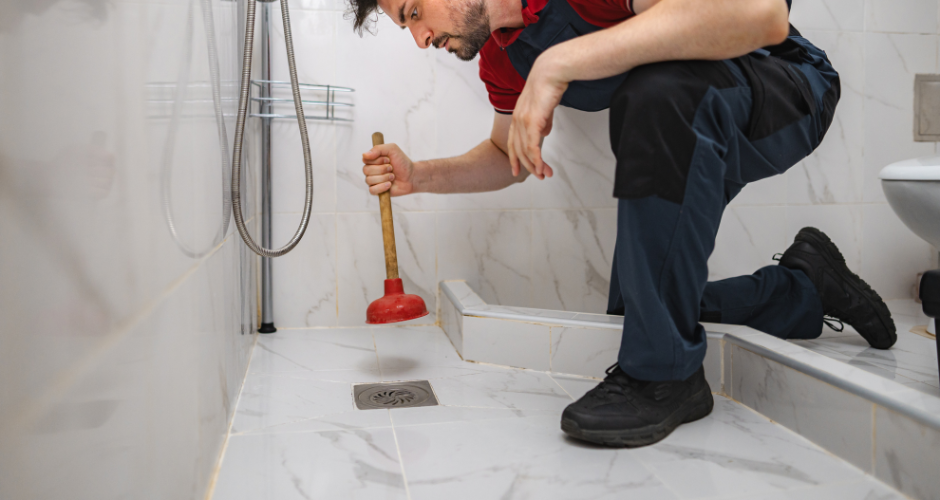
Plumbing problems rarely start as major disasters. More often, they begin as small issues that seem harmless, a slow drip, a minor clog, or a “temporary fix” that quietly becomes permanent. Unfortunately, these small oversights can grow into expensive repairs before homeowners realize there’s a problem.
As the saying goes: “Plumbing problems don’t get cheaper with time.”
And it’s true.
Many costly plumbing emergencies are not caused by sudden disasters, they’re caused by preventable mistakes.
Here are some of the most expensive plumbing mistakes homeowners make and how to avoid them.
Ignoring Small Leaks
One dripping faucet may not seem urgent.
But even a minor leak can waste water, raise utility bills, and cause hidden damage behind walls, under sinks, or beneath flooring.
Small leaks can lead to:
- Water damage
- Mold growth
- Rotting wood
- Damaged drywall
- Higher water bills
Watch for warning signs like:
- Damp cabinets
- Water stains
- Musty odors
- Unexplained increases in water usage
“A small leak today can become a major repair tomorrow.”
Fixing leaks early is almost always cheaper than repairing the damage they cause.
Using Chemical Drain Cleaners Too Often
When drains clog, many homeowners reach for chemical cleaners.
It seems like a quick fix.
But repeated use can damage plumbing over time.
These products may:
- Corrode pipes
- Damage seals
- Weaken joints
- Mask larger plumbing issues
And they often don’t remove the real cause of the clog.
Hair, grease buildup, or deeper blockages may remain.
Safer alternatives may include:
- Drain snaking
- Mechanical clearing
- Preventive drain maintenance
Quick solutions can sometimes create long-term plumbing costs.
Treating Toilets Like Trash Cans
This causes countless plumbing emergencies.
Many items should never be flushed, including:
- Wipes
- Paper towels
- Feminine products
- Cotton swabs
- Dental floss
Even products labeled “flushable” can cause serious clogs.
They often do not break down as easily as people assume.
Resulting problems can include:
- Sewer backups
- Pipe blockages
- Septic system damage
💡 Fun Fact: Many plumbing professionals cite “flushable” wipes as a major cause of residential drain problems.
If it isn’t toilet paper,
don’t flush it.
Ignoring Slow Drains
A slow drain is usually a warning sign.
Not something to ignore.
It may signal:
- Pipe buildup
- Developing clogs
- Vent issues
- Sewer line problems
Waiting until a drain completely backs up often leads to a much bigger repair.
Addressing it early is usually far less expensive.
Attempting DIY Plumbing Beyond Your Skill Level
DIY projects can save money.
Until they don’t.
Simple tasks may be manageable.
But improper repairs involving supply lines, pipe connections, or drainage systems can cause major damage.
DIY mistakes can lead to:
- Leaks
- Flooding
- Water pressure problems
- Code violations
- Hidden damage behind walls
“DIY can save money, until it creates a plumbing emergency.”
Know when to call a professional.
It can save far more than it costs.
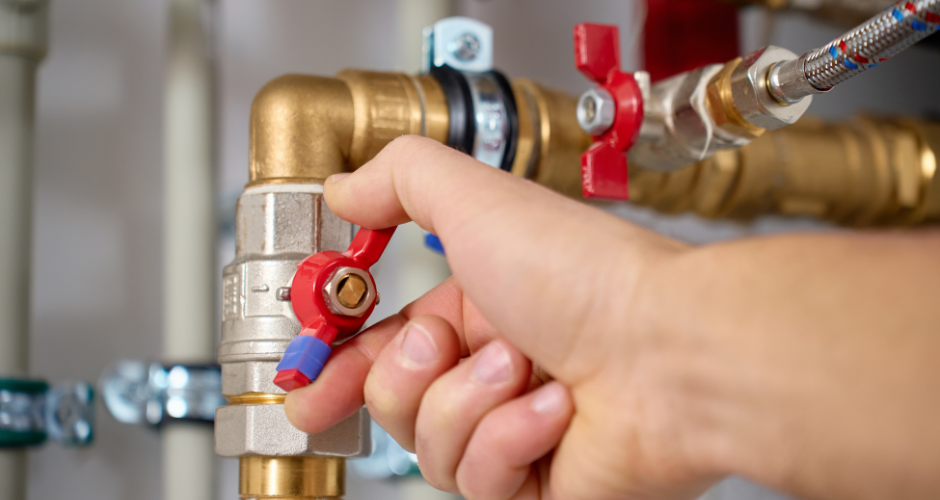
Not Knowing Where the Main Water Shut-Off Valve Is
In a plumbing emergency, every second matters.
A burst pipe can release enormous amounts of water quickly.
If you don’t know where your shut-off valve is,
damage can escalate fast.
Every homeowner should:
- Locate the shut-off valve
- Test it occasionally
- Make sure everyone in the home knows where it is
This simple step can prevent thousands in water damage.
Letting Pipes Freeze
Frozen pipes can burst.
And burst pipes can cause catastrophic damage.
Common winter mistakes include:
- Failing to insulate exposed pipes
- Leaving outdoor hoses connected
- Letting crawl spaces get too cold
- Dropping indoor temperatures too low
Frozen pipe damage is often preventable.
And prevention is much cheaper than repair.
Skipping Water Heater Maintenance
Many homeowners forget about the water heater until something goes wrong.
That can be expensive.
Neglect can lead to:
- Sediment buildup
- Reduced efficiency
- Shortened lifespan
- Tank leaks
- Costly replacement
Routine maintenance can help avoid surprise failures.
💡 Fun Fact: Sediment accumulation can force water heaters to work harder, increasing wear and energy use.
A little maintenance goes a long way.
Pouring Grease Down the Drain
This remains one of the most common plumbing mistakes.
Hot grease may look harmless.
But once it cools,
it hardens.
Inside your pipes.
Leading to:
- Blockages
- Slow drains
- Sewer issues
Grease belongs in the trash.
Not in your plumbing.
Ever.
Ignoring Hidden Leaks
Not all plumbing leaks are obvious.
Some stay hidden for months.
Possible signs include:
- Bubbling paint
- Soft flooring
- Musty smells
- High water bills
- Damp walls
Hidden leaks often cause some of the costliest damage because they go unnoticed.
Routine checks can help catch problems early.
Neglecting Caulk and Seal Maintenance
Failed caulking around tubs, showers, or sinks may seem minor.
But water intrusion behind walls can cause:
- Mold
- Rot
- Structural damage
And repairs can become expensive quickly.
Check seals regularly.
Small maintenance can prevent big repair bills.
👉Why Your Shower Turns Cold So Fast (and How to Fix It)
Ignoring Water Pressure Problems
High water pressure can quietly strain:
- Pipes
- Fixtures
- Appliances
- Water heaters
Too much pressure can wear systems out faster.
Low pressure can also signal hidden issues.
Both deserve attention.
Waiting Too Long to Replace Aging Pipes
Old pipes don’t last forever.
Especially older materials prone to corrosion.
Waiting until failure often costs more than proactive replacement.
Sometimes far more.
Preventive upgrades can save major headaches later.
👉Why Your Sink Smells Bad and How to Get Rid of Odors
Using the Wrong Plumbing Materials
Not all plumbing components are compatible.
Wrong fittings or mismatched materials can lead to:
- Corrosion
- Leaks
- Joint failure
Shortcuts here often become expensive problems.
Proper materials matter.
Skipping Routine Plumbing Inspections
One of the costliest mistakes?
Only calling a plumber when there’s a problem.
Routine inspections may catch:
- Hidden leaks
- Pressure issues
- Aging pipes
- Drain concerns
- Water heater problems
Before they become emergencies.
As the saying goes:
“Maintenance costs less than damage.”
Especially with plumbing.
Ignoring “Minor” Warning Signs
Many homeowners dismiss:
- Gurgling drains
- Running toilets
- Pipe noises
- Occasional odors
- Minor drips
But plumbing often gives warnings before failure.
Pay attention.
They can save you thousands.
How to Avoid Costly Plumbing Repairs
Simple habits can help prevent expensive problems:
✔ Fix leaks early
✔ Avoid flushing anything but toilet paper
✔ Never pour grease down drains
✔ Maintain your water heater
✔ Monitor water pressure
✔ Know your shut-off valve
✔ Schedule inspections
✔ Address warning signs quickly
Small habits.
Big savings.
Common Plumbing Myth:
“If It’s Still Working, It’s Fine”
Not always.
Many plumbing issues develop quietly.
And by the time obvious signs appear,
damage may already be happening.
That’s why prevention matters.
Final Thoughts
Expensive plumbing repairs often come from preventable mistakes, not bad luck.
Ignoring leaks, skipping maintenance, misusing drains, attempting risky DIY repairs, and overlooking warning signs can all lead to costly damage.
The good news?
Many of these problems are avoidable.
And often, simple awareness is what makes the difference.
Because as homeowners know:
“The cheapest plumbing repair is the one you prevent.”
And few things are truer.