How Robotic Cleaning Machines Are Changing Facility Maintenance
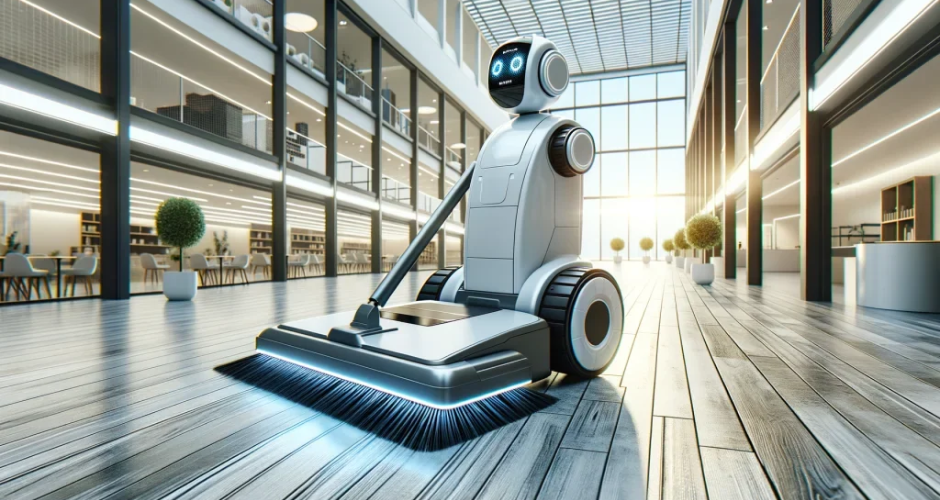
Facility maintenance is evolving as businesses look for smarter, faster, and more reliable ways to keep their spaces clean. From office buildings and shopping malls to hospitals, airports, warehouses, and educational institutions, maintaining hygiene across large facilities requires considerable time, labour, and planning.
Traditional cleaning methods remain important, but they can become challenging when facilities have extensive floor areas, heavy foot traffic, and demanding cleaning schedules. This is where robotic cleaning machines are making a noticeable difference.
These machines use technologies such as sensors, cameras, artificial intelligence (AI), mapping systems, and automated navigation to perform cleaning tasks with limited human intervention. They can follow planned routes, avoid obstacles, clean designated areas, and return to charging stations when necessary.
Robotic cleaning equipment is not simply about replacing manual work. It is about helping facility managers improve cleaning consistency, manage resources more effectively, and create cleaner environments.
Let’s explore how robotic cleaning machines are transforming facility maintenance, where they are most useful, what benefits they offer, and what businesses should consider before investing in them.
What Are Robotic Cleaning Machines?
Robotic cleaning machines are automated devices designed to perform specific cleaning activities with minimal direct human control. Unlike conventional cleaning equipment that requires an operator to guide it continuously, robotic machines can navigate designated spaces and complete programmed tasks independently or with occasional supervision.
They are commonly used for floor cleaning, vacuuming, scrubbing, sweeping, and certain specialised cleaning applications.
Most modern commercial cleaning robots combine several technologies:
- Sensors: Detect walls, furniture, people, and other obstacles.
- AI-powered navigation: Helps machines understand their surroundings and make navigation decisions.
- Mapping technology: Creates digital maps of buildings to plan efficient cleaning routes.
- Cameras and detection systems: Help identify objects and respond to changes in the environment.
- Automated scheduling: Allows facility managers to set cleaning times and routines.
- Connectivity: Enables remote monitoring and performance tracking through compatible software.
Depending on the model, a robotic cleaning machine may operate in a specific zone, follow a pre-planned route, or adjust its movements based on its surroundings.
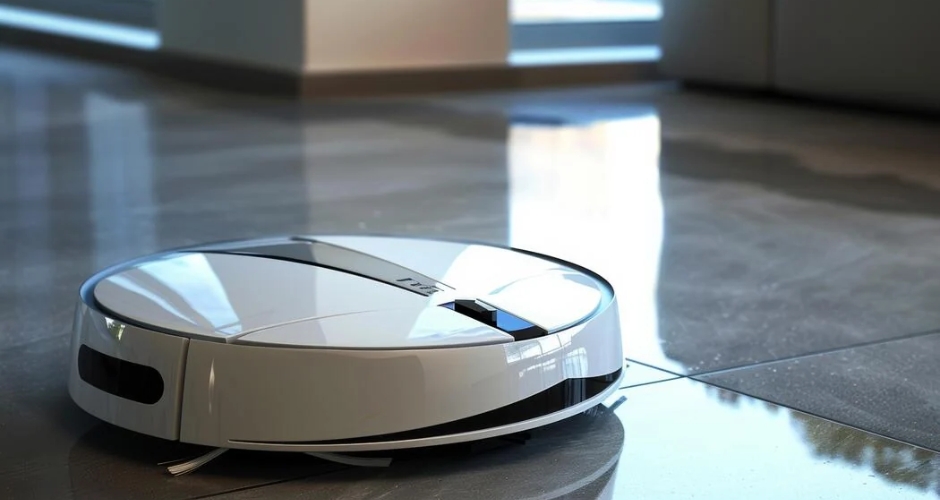
Why Are Businesses Moving Towards Robotic Cleaning Machines?
Facility managers are responsible for maintaining cleanliness while balancing labour availability, operating costs, hygiene requirements, and daily business activities.
As buildings become larger and operational requirements become more demanding, traditional cleaning processes may not always provide the flexibility businesses need.
Several factors are encouraging organisations to explore robotic cleaning solutions.
1. Growing demand for consistent cleaning
High-traffic environments can become dirty quickly. Shopping centres, airports, hospitals, and commercial offices often need repeated cleaning throughout the day.
Robotic machines can follow scheduled routines, helping businesses maintain more consistent floor-cleaning coverage.
2. Increasing pressure on cleaning teams
Cleaning professionals often handle repetitive and physically demanding tasks. Automated equipment can take over selected routine activities, allowing employees to concentrate on detailed cleaning, sanitation, maintenance, and areas that require human judgement.
3. Better use of available resources
Businesses want to make better use of their cleaning budgets and workforce. Robotic machines can support repetitive floor-cleaning operations while staff focus on tasks that automated equipment cannot perform effectively.
4. Advancements in automation technology
Improved sensors, mapping systems, navigation software, and connectivity have made commercial cleaning robots more capable of operating in complex indoor environments.
These developments have made robotic cleaning equipment a practical option for more types of facilities.
How Robotic Cleaning Machines Are Changing Facility Maintenance
1. Automating Repetitive Floor-Cleaning Tasks
One of the biggest contributions of robotic cleaning machines is their ability to handle repetitive floor-cleaning work.
Large facilities often have extensive hard-floor areas that need regular sweeping, scrubbing, or vacuuming. Performing these activities manually can take up a significant portion of a cleaning team’s working hours.
Autonomous floor scrubbers and sweepers can be programmed to clean specific areas according to a schedule. Once a route has been mapped and tested, the machine can follow it with limited supervision.
For example, a robotic scrubber in a shopping centre can clean designated corridors during quieter hours. Meanwhile, cleaning employees can concentrate on restrooms, escalators, glass surfaces, spills, and other areas requiring personal attention.
This approach allows facilities to combine automated floor care with professional cleaning services rather than depending entirely on manual methods.
2. Improving Cleaning Consistency
Cleaning quality should not depend entirely on who is working a particular shift. However, manual cleaning can sometimes vary because of differences in experience, workload, time pressure, and cleaning techniques.
Robotic cleaning equipment helps introduce greater consistency into routine tasks.
Once configured correctly, a machine can follow the same approved route, use programmed cleaning settings, and repeat scheduled cleaning cycles. This can help facility managers establish more predictable floor-maintenance routines.
Some advanced systems also record completed routes and cleaning activity. These records can help supervisors review coverage, identify missed areas, and make adjustments to cleaning schedules.
However, consistent machine operation does not automatically guarantee a perfectly clean floor. Results still depend on suitable equipment, correct settings, floor conditions, and regular quality inspections.
3. Helping Cleaning Teams Work More Efficiently
A common misconception is that robotic cleaning machines are designed to replace cleaning employees. In reality, their most useful role is often to support existing teams.
Professional cleaners perform many activities that require human judgement, flexibility, and attention to detail. Cleaning washrooms, disinfecting frequently touched surfaces, emptying bins, removing stubborn stains, and responding to unexpected spills are examples of tasks that cannot simply be handed over to a floor-cleaning robot.
Robotic equipment can take responsibility for selected repetitive activities, giving employees more time to complete these important jobs.
This creates a collaborative cleaning model in which people manage complex cleaning requirements while machines handle suitable routine operations.
The International Sanitary Supply Association (ISSA) also recommends integrating robotic equipment into cleaning workloads and preparing employees for the changes involved.
4. Supporting Cleaning Operations in High-Traffic Facilities
Certain buildings require more frequent floor maintenance because of the number of people moving through them every day.
Robotic cleaning machines can be particularly useful in:
- Shopping malls: Help maintain large corridors, common areas, and open floor spaces.
- Airports: Support routine floor cleaning in terminals, waiting areas, and walkways.
- Hospitals: Assist with appropriate floor-cleaning routines in designated areas, subject to infection-control procedures.
- Warehouses: Clean large, open floor spaces where dust and debris can accumulate.
- Educational institutions: Support scheduled cleaning in corridors, halls, and other suitable common areas.
- Office buildings: Maintain reception areas, meeting spaces, and large walkways.
The suitability of a robot depends on the building layout, floor type, traffic patterns, cleaning requirements, and safety procedures. A machine that performs well in an open warehouse may not be the right choice for a crowded hospital corridor.
5. Making Cleaning Performance Easier to Monitor
Traditional cleaning supervision often relies on inspection rounds, employee checklists, and manual reports. Although these methods remain useful, they do not always provide a complete picture of cleaning activity across a large facility.
Connected robotic cleaning machines can provide additional operational information through compatible software platforms.
Depending on the equipment, facility managers may be able to review:
- Areas covered during a cleaning cycle.
- Scheduled tasks and completed routes.
- Machine operating time.
- Battery status and charging activity.
- Alerts, errors, and interruptions.
- Cleaning performance and operational reports.
This information can help managers make more informed decisions about cleaning schedules, staffing arrangements, and equipment utilisation.
For example, if reports show that a particular corridor receives frequent cleaning while another area is regularly missed, managers can review the route and adjust the cleaning plan.
Digital monitoring is especially valuable when a business manages multiple buildings or large commercial facilities.
6. Helping Businesses Manage Cleaning Costs
Commercial cleaning involves several ongoing expenses, including employee wages, cleaning supplies, equipment purchases, repairs, and maintenance.
Robotic cleaning machines may help businesses manage some of these costs by taking over suitable repetitive tasks and improving the use of employee time.
However, purchasing a robotic cleaner does not automatically mean that a business will save money.
The initial investment may be considerable, particularly for advanced commercial machines. Businesses also need to account for battery replacement, servicing, software subscriptions where applicable, consumables, training, and technical support.
The financial benefit depends on how frequently the machine is used, how much work it completes, and whether it genuinely reduces the time or resources required for cleaning.
A proper cost comparison should consider the total cost of ownership rather than focusing only on the purchase price.
7. Supporting More Flexible Cleaning Schedules
Cleaning activities often need to take place without interrupting normal business operations.
For example, an office may prefer floor cleaning after employees leave, while a shopping centre may need certain areas cleaned early in the morning or during quieter periods.
Robotic cleaning machines can be scheduled to operate during suitable time windows. Some models can also return to docking stations for charging or other automated servicing functions, depending on their design.
This flexibility can help facility managers plan cleaning activities around building occupancy and daily operations.
Nevertheless, machines operating around the public must have suitable safety features and clearly defined operating procedures.
8. Contributing to Better Resource Management
Efficient facility maintenance is not only about cleaning more quickly. It also involves using water, electricity, cleaning chemicals, and equipment responsibly.
Some modern robotic scrubbers offer controlled water and cleaning-solution dispensing. Their programmed operation may also help reduce unnecessary repeated passes, depending on the cleaning plan.
These features can support more controlled resource use, but actual environmental benefits vary by machine, settings, floor conditions, and maintenance practices.
Businesses should compare real operating data, such as water consumption, energy use, and chemical requirements, before claiming that a robotic cleaner is more environmentally friendly than conventional equipment.
Types of Robotic Cleaning Machines Used in Facility Maintenance
Not every robotic cleaning machine performs the same function. Different models are designed for different surfaces, cleaning requirements, and facility environments.
1. Robotic Floor Scrubbers
These machines scrub hard floors, remove dirt, and recover dirty water. They are suitable for large areas such as shopping centres, airports, warehouses, and commercial buildings.
2. Robotic Vacuum Cleaners
Designed to collect dust, dirt, and loose debris from suitable floor surfaces. They can support routine cleaning in offices, hotels, and other commercial spaces.
3. Robotic Sweepers
These machines collect loose dirt and debris from floors. They are particularly useful in warehouses, distribution centres, and large industrial environments.
4. Robotic Window Cleaners
Designed for cleaning suitable glass surfaces, these machines can assist with certain window-cleaning applications. Their suitability depends on the glass design, installation, access requirements, and safety arrangements.
What Are the Challenges of Using Robotic Cleaning Machines?
Although automation offers several advantages, robotic cleaning equipment also comes with practical limitations. Understanding these challenges can help businesses avoid unnecessary expenses and choose suitable equipment.
1. High Initial Investment
Commercial robotic cleaning machines can require a substantial upfront investment. Smaller cleaning companies may find it difficult to purchase advanced models, especially when they have limited contracts or irregular cleaning requirements.
Businesses should compare purchasing, leasing, and rental options before making a decision.
2. Not Suitable for Every Cleaning Task
Robotic cleaners are generally more effective at repetitive tasks in predictable environments. They may struggle with cluttered spaces, narrow passages, unusual floor layouts, or areas with frequent changes in obstacles.
They also cannot replace detailed cleaning activities such as disinfecting touchpoints, cleaning washrooms, or removing certain stubborn stains.
3. Regular Maintenance Is Still Necessary
Automated equipment requires regular care to remain reliable.
Depending on the model, maintenance may include:
- Cleaning sensors and cameras.
- Checking brushes and cleaning pads.
- Emptying and cleaning water tanks.
- Inspecting wheels and moving components.
- Checking batteries and charging systems.
- Updating software when required.
Neglecting these activities can reduce cleaning performance and lead to unexpected downtime.
4. Employee Training and Adaptation
Cleaning employees and supervisors need to understand how to operate, monitor, and maintain robotic equipment.
Staff may require training in route setup, machine controls, safety procedures, troubleshooting, and daily maintenance.
Without proper training, businesses may struggle to achieve the expected benefits from automation.
5. Navigation and Connectivity Issues
Robotic machines depend on navigation systems to move safely around buildings. Changes in furniture placement, construction work, temporary barriers, or crowded walkways can affect their routes.
Some models also depend on wireless connectivity for remote monitoring and reporting. Businesses should understand how their selected equipment behaves when connectivity is interrupted.
These limitations make human supervision and regular inspections essential.
How to Choose the Right Robotic Cleaning Machine for Your Facility
Selecting a robotic cleaner requires more than comparing prices or choosing the model with the most advanced features. The machine must match the facility’s actual cleaning requirements.
Here are some important factors to evaluate.
1. Identify your cleaning requirements
Start by determining which activities need automation. Do you need routine floor scrubbing, sweeping, or vacuuming? Identifying the primary task will help narrow down suitable machines.
2. Consider the size of your facility
A small office may not require an expensive industrial cleaning robot. Larger buildings with extensive open floor areas may benefit more from autonomous equipment with greater coverage and operating capacity.
3. Check floor compatibility
Different machines are designed for different floor surfaces. Confirm whether the equipment is suitable for your facility’s tile, concrete, vinyl, stone, or other flooring materials.
4. Evaluate navigation and safety features
Look for reliable obstacle detection, route planning, emergency stopping features, and safe operation around employees and visitors. Ask the supplier how the machine handles crowded spaces and unexpected obstacles.
5. Compare maintenance and support costs
Check the availability of replacement parts, technical support, servicing, warranties, and software updates. A machine with a lower purchase price may become more expensive if maintenance and support are difficult to access.
6. Request a real-world demonstration
Before purchasing, ask the supplier to demonstrate the machine in your actual facility. Test it under normal working conditions, including different traffic levels and typical obstacles.
How to Successfully Introduce Robotic Cleaning Machines into Facility Maintenance
Buying automated equipment is only the first step. Businesses also need a practical implementation plan to ensure that the technology fits into existing cleaning operations.
A structured approach can make the transition easier.
- Conduct a facility assessment: Identify suitable cleaning areas, floor surfaces, traffic patterns, and obstacles.
- Set clear objectives: Decide whether the main goal is improving floor coverage, reducing repetitive work, maintaining cleaning schedules, or improving operational reporting.
- Choose suitable equipment: Select machines according to the facility’s size, cleaning needs, and available budget.
- Run a pilot programme: Test the equipment in one suitable area before introducing it throughout the building.
- Train employees: Make sure cleaning teams understand operation, safety, maintenance, and troubleshooting procedures.
- Establish maintenance schedules: Assign responsibility for daily inspections, servicing, and reporting problems.
- Measure performance: Compare cleaning coverage, operating hours, labour requirements, and overall costs before and after implementation.
A pilot programme is especially useful because it allows managers to identify problems before committing to a larger investment.
Are Robotic Cleaning Machines Replacing Professional Cleaners?
No. Robotic cleaning machines are changing how cleaning work is organised, but they are not a complete replacement for professional cleaning staff.
A cleaning robot can follow a mapped route, scrub a floor, or vacuum a designated area. However, professional cleaners are still needed for tasks that require judgement, attention to detail, and flexibility.
Human employees remain essential for:
- Cleaning washrooms and kitchens.
- Disinfecting frequently touched surfaces.
- Removing stubborn stains and spills.
- Cleaning furniture, windows, and other detailed surfaces.
- Managing waste and replenishing supplies.
- Inspecting cleaning quality.
- Monitoring equipment and resolving operational issues.
The most practical approach for many facilities is a combination of automated equipment and trained cleaning professionals.
This allows machines to manage repetitive work while employees focus on tasks that require human expertise.
The Future of Robotic Cleaning in Facility Maintenance
Robotic cleaning technology continues to develop, with improvements in artificial intelligence, sensors, navigation, automation, and connected facility-management systems.
Future developments are likely to focus on making machines easier to manage, improving their ability to respond to changing environments, and connecting multiple machines through centralised management platforms.
Some emerging approaches include:
AI-powered navigation: More advanced systems can use environmental information to improve route planning and obstacle detection.
Multi-robot coordination: Facilities may use different types of cleaning robots together, with software coordinating their schedules and assigned areas.
Predictive maintenance: Equipment data may help identify potential maintenance requirements before a machine experiences a major failure.
Smart building integration: Cleaning systems may increasingly coordinate their activities with building occupancy information and other facility-management technologies.
However, these capabilities vary considerably between products. Businesses should evaluate what a particular machine can demonstrate today rather than making investment decisions based only on future technology promises.
Conclusion
Robotic cleaning machines are creating new opportunities for businesses to improve facility maintenance. By automating repetitive floor-cleaning activities, supporting consistent cleaning schedules, and providing operational information, these machines can help organisations manage their cleaning operations more effectively.
However, automation is not a universal solution. Businesses must consider their facility size, floor types, cleaning requirements, equipment costs, and employee training before investing.
The real value of robotic cleaning technology comes from using it alongside skilled cleaning professionals. When machines and employees work together, facilities can build a more organised, flexible, and efficient cleaning programme.
For businesses managing large commercial spaces, exploring robotic cleaning solutions could be a worthwhile step towards modernising their facility maintenance strategy.
Frequently Asked Questions (FAQs)
1. What are robotic cleaning machines used for?
Robotic cleaning machines are used to automate selected cleaning activities, including floor scrubbing, sweeping, and vacuuming. They are commonly used in commercial buildings, warehouses, airports, shopping centres, and other large facilities.
2. How do robotic cleaning machines work?
Most commercial cleaning robots use sensors, cameras, mapping systems, and navigation software to move around designated areas. They follow programmed or dynamically planned routes while detecting obstacles and performing their assigned cleaning tasks.
3. Are robotic cleaning machines worth the investment?
They can be worthwhile for facilities with large floor areas and frequent repetitive cleaning requirements. However, the return on investment depends on equipment costs, utilisation, maintenance, labour savings, and cleaning performance.
4. Can robotic cleaners work without human supervision?
Some advanced models can complete scheduled cleaning routes with limited supervision. However, they still require people for setup, inspections, maintenance, replenishment, troubleshooting, and quality control.
5. Which industries benefit most from robotic cleaning machines?
Warehouses, shopping centres, airports, hospitals, hotels, educational institutions, and large office buildings can benefit from robotic cleaning equipment when their layouts and cleaning requirements are suitable.
6. Do robotic cleaning machines reduce labour costs?
They may reduce the amount of employee time spent on repetitive floor-cleaning tasks. However, businesses must account for training, maintenance, supervision, and the initial equipment investment before determining actual savings.
7. What maintenance do robotic cleaning machines require?
Common maintenance activities include cleaning sensors, checking brushes and squeegees, inspecting batteries, cleaning tanks, checking wheels, and installing necessary software updates.
8. What should businesses consider before purchasing a robotic cleaner?
Businesses should evaluate the building layout, floor type, cleaning requirements, machine capacity, navigation technology, safety features, maintenance costs, supplier support, and expected return on investment.
Related Articles:
Office Cleaning Checklist: Essential Areas Every Hudson Valley Business Should Maintain