Should Cleaning Businesses Rent or Buy Commercial Cleaning Equipment?
Every cleaning business reaches the same crossroads. A new contract comes in that needs a ride-on scrubber, a carpet extractor or a high-pressure steam unit, and the question appears: buy it, or rent it?
The right answer depends on how often you will use the machine, your cash position and the kind of work you want to win. This guide breaks down the decision so you can make it with numbers rather than gut feeling.
The Equipment Cleaning Companies Commonly Need
Commercial cleaning covers a wide range of equipment, from everyday tools to specialist machines used a few times a year.
- Everyday: commercial vacuums, mop systems, backpack vacuums, microfibre carts
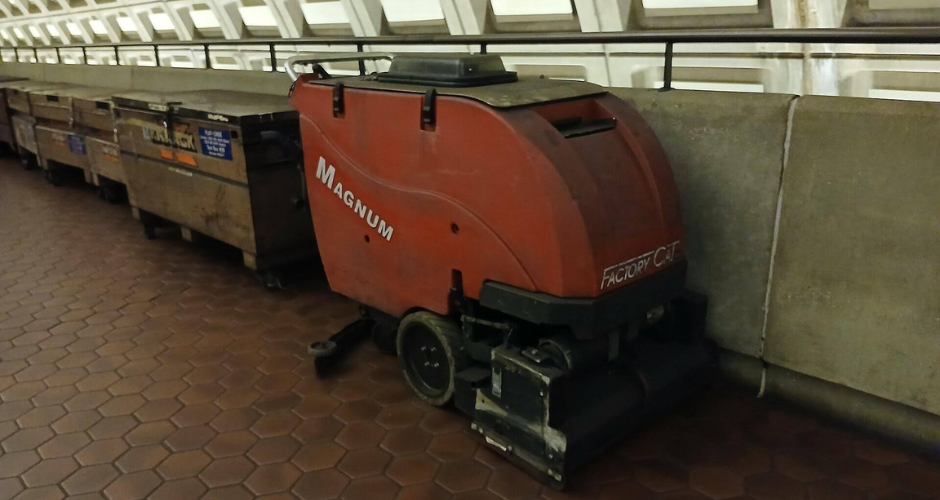
- Regular but heavier: walk-behind floor scrubbers, carpet extractors, floor buffers
- Specialist: ride-on scrubbers, pressure washers with hot water, steam cleaners, dehumidifiers and air movers for flood restoration
- Occasional: scissor lifts or telescopic poles for high-level cleaning, industrial sweepers for car parks
Everyday tools are almost always worth owning. The real decision sits with the heavier and specialist machines.
When Buying Makes Sense
Buying is usually the better option when:
- You will use the machine at least two or three days a week.
- The equipment is central to your core service, such as carpet extraction for a carpet cleaning company.
- You have stable, long-term contracts that justify the investment.
- You can maintain and store the machine properly.
Owning also builds your asset base and avoids the friction of booking a rental each time.
When Renting Makes Sense
Renting is often smarter when:
- The job is a one-off, like a post-construction clean or a seasonal deep clean.
- You are testing a new service line, such as floor stripping and sealing, before committing.
- A machine breaks down and you need a replacement immediately.
- The equipment is expensive and changes quickly, like specialised restoration gear.
- Cash flow is tight and you would rather keep reserves for wages and supplies.
Run the Numbers: Total Cost of Ownership
The sticker price of a machine is only part of the story. To compare fairly, estimate the full total cost of ownership, which includes:
- Purchase price or finance payments
- Maintenance, servicing and replacement parts
- Consumables like pads, brushes and filters
- Insurance and storage
- Transport, including a larger van if needed
- Downtime when the machine is out of action
- Resale value at the end of its useful life
Then compare that figure against expected rental costs over the same period. For example, if a ride-on scrubber costs the equivalent of 60 rental days to own over three years, and you expect to need it 15 days a year, renting is clearly cheaper. If you need it 100 days a year, buying wins.
A Simple Decision Framework
Use these questions as a quick filter:
- How many days per year will we use it? Fewer than 30 suggests renting.
- Does it win us new contracts? If owning lets you bid on work you currently turn away, it may pay for itself faster.
- Can we maintain it? Machines that sit unserviced lose value and reliability.
- What happens if it breaks? A rental company usually swaps faulty equipment quickly. Your own breakdown is your problem.
Choosing a Good Rental Partner
If you do rent, the supplier matters as much as the machine. Look for:
- Clean, well-maintained equipment with service records
- Clear daily, weekly and monthly rates
- Delivery and collection that fits around early-morning or late-night cleaning shifts
- Quick replacement if a machine fails on site
- Simple online booking so you are not chasing quotes by phone
Rental suppliers that run on proper rental inventory software can usually confirm availability in minutes, send digital contracts and track exactly which unit you have, which reduces disputes over condition and return times. Solutions such as equipmentrentalsoftware.io are built with this in mind.
Tracking Your Own Equipment Like a Rental Company
Even if you own most of your machines, you can borrow good habits from the rental industry:
- Give each machine an ID tag or QR code.
- Log which team or site has each item.
- Record service dates and hours of use.
- Schedule preventive maintenance rather than waiting for failures.
Field-based trades have already shown how much software helps here. This article on how field service management software can transform plumbing covers scheduling and job tracking ideas that translate well to cleaning teams.
Mixing Both Approaches
Most successful cleaning companies use a hybrid model:
- Own the daily essentials and core machines.
- Rent for peaks, one-off contracts and specialist jobs.
- Review the split every year. If a rented machine keeps coming back, it may be time to buy one.
This keeps capital working where it earns the most while giving you flexibility to say yes to new opportunities.
Frequently Asked Questions
Is renting always cheaper than buying?
No. Renting is usually cheaper for equipment used occasionally, seasonally or for a single project. For equipment used almost every day over many years, buying often costs less overall. The best approach is to compare the total cost of each option over the expected period of use, including maintenance, insurance, storage and resale value.
Conclusion
There is no single right answer to renting versus buying cleaning equipment. Calculate the total cost of ownership, estimate how often you will truly use each machine and consider how the decision affects the contracts you can win. Own what you use constantly, rent what you use occasionally and revisit the mix as your business grows.